

Step-by-Step Guide to Choosing the Right Concrete Sealer
Sealing your concrete surfaces—whether a driveway, patio, or garage floor—protects them from wear, weather, and stains, extending their lifespan. But with so many concrete sealers on the market, how do you choose the right one? This guide walks you through the process of selecting the best concrete sealer based on your surface type, usage, and environmental factors, with practical tips for application. Whether you’re in Lubbock’s harsh climate or elsewhere, we’ve got you covered.
Why Seal Your Concrete?
Sealing concrete prevents damage from water, UV rays, oil spills, and freeze-thaw cycles. A quality sealer enhances durability, reduces maintenance costs, and improves aesthetics. For example, in Lubbock’s dry, windy climate, a sealer can protect against dust and extreme temperature swings. Learn more about https://concretecontractorstxlubbock.com/how-to-maintain-concrete/.
Step 1: Understand Your Concrete Surface
Different concrete surfaces have unique needs:
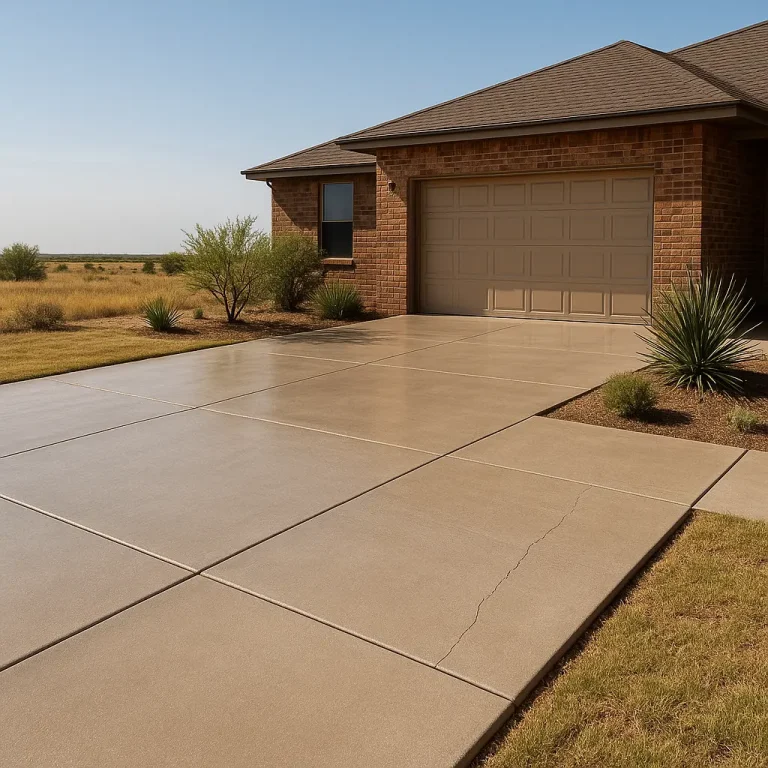
- Driveways: Require durable, slip-resistant sealers to handle vehicle traffic and oil stains.
- Patios: Benefit from sealers with UV protection and aesthetic finishes (e.g., glossy or matte).
- Indoor Floors: Need low-VOC, odor-free sealers for safety and comfort.
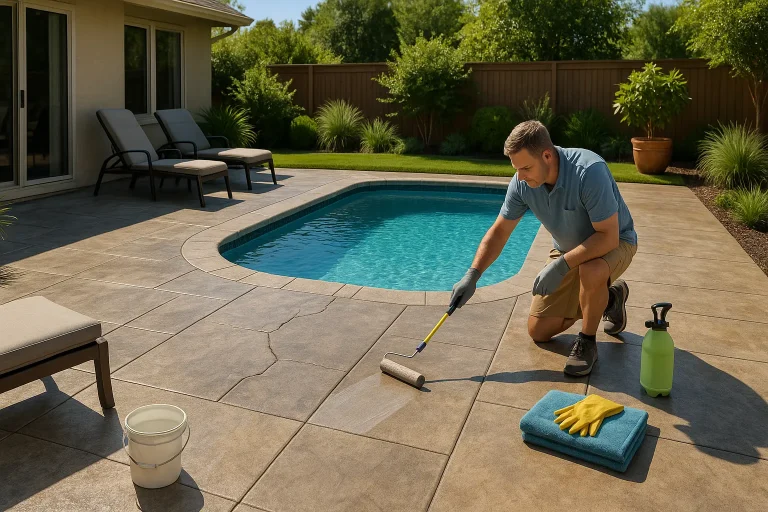
- Pool Decks: Demand water-repellent, non-slip sealers to withstand constant moisture.
Assess your surface’s condition. Is it new, old, porous, or smooth? New concrete needs a curing sealer, while older, porous surfaces may require a penetrating sealer for deep protection.
Step 2: Choose the Right Type of Concrete Sealer
Concrete sealers fall into two main categories:
- Penetrating Sealers: Soak into the concrete, protecting against moisture and freeze-thaw damage. Ideal for outdoor surfaces in harsh climates like Lubbock’s.
- Example: Silane/siloxane sealers offer excellent water repellency.
- Film-Forming Sealers: Create a protective coating on the surface, enhancing appearance and stain resistance. Best for decorative or indoor concrete.
- Example: Acrylic sealers provide a glossy finish; epoxy sealers offer heavy-duty protection.
Consider eco-friendly options like water-based sealers, which have lower VOC levels and are safer for indoor use. Always check product specifications for durability, curing time, and compatibility with your concrete type.
Step 3: Factor in Environmental Conditions
Your local climate plays a big role in sealer choice:
- Hot, Dry Climates (e.g., Lubbock): Choose UV-resistant sealers to prevent fading and cracking. Penetrating sealers work well to combat dust and heat.
- Wet or Humid Areas: Opt for water-repellent sealers to prevent mold and mildew.
- Cold Climates: Use sealers designed for freeze-thaw resistance to avoid cracking.
Check weather conditions before application. Apply sealers in dry, mild weather (50–90°F) for optimal results.
Step 4: Evaluate Usage and Traffic
High-traffic areas like driveways need robust sealers with high abrasion resistance. For low-traffic areas like patios, you can prioritize aesthetics with a glossy or matte finish. If safety is a concern (e.g., pool decks), choose a sealer with slip-resistant additives.
Step 5: Plan the Application Process
Proper application ensures your sealer performs well:
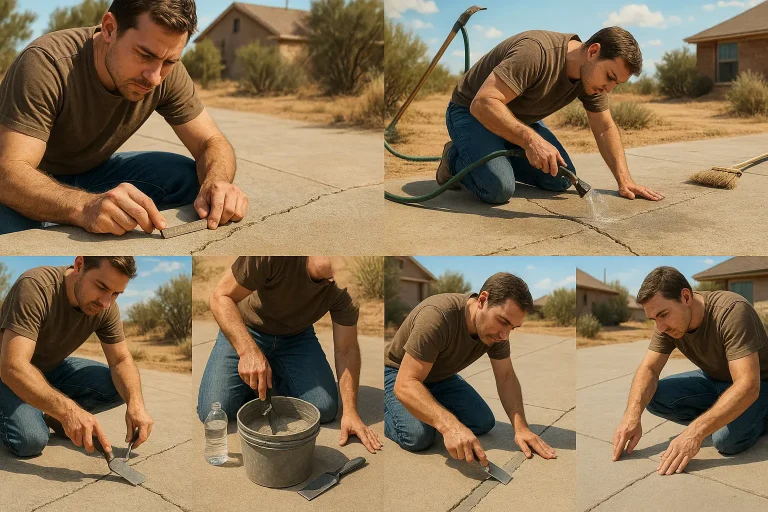
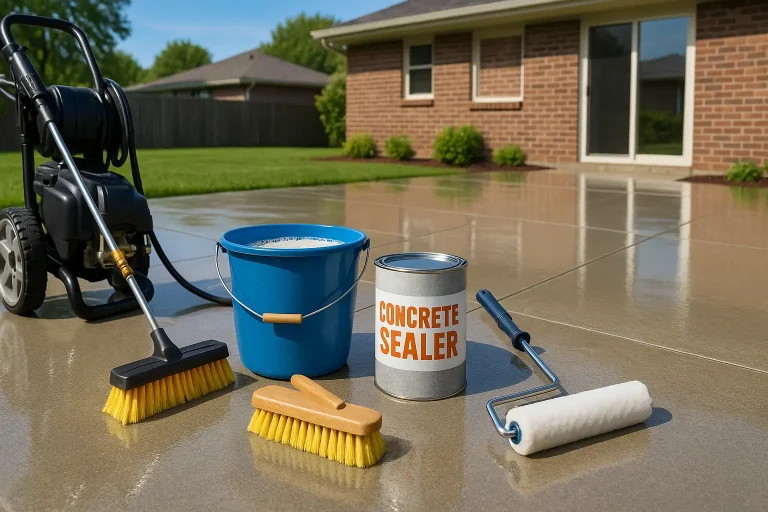
- Clean the Surface: Remove dirt, oil, and stains with a pressure washer or degreaser.
- Test the Sealer: Apply a small amount to a hidden area to check compatibility.
- Apply Evenly: Use a roller or sprayer for uniform coverage. Follow manufacturer instructions for coats (usually 1–2).
- Allow Curing: Most sealers need 24–48 hours to dry. Avoid foot or vehicle traffic during this time.
Pro tip: Regular maintenance, like resealing every 2–5 years, keeps your concrete in top shape.
Step 6: Compare Top Concrete Sealer Brands
Here’s a quick comparison of popular sealers:
| Brand/Product | Type | Best For | VOC Level | Durability |
| Siloxa-Tek 8500 | Penetrating | Driveways, Patios | Low | 5–7 years |
| Foundation Armor AR350 | Acrylic | Decorative Concrete | Low | 1–3 years |
| ToughCrete Epoxy | Epoxy | Garage Floors | Moderate | 7–10 years |
Always choose products compliant with local VOC regulations, like those recommended by the American Concrete Institute.
FAQ: Common Questions About Concrete Sealers
Q: How often should I reseal my concrete?
A: Reseal every 2–5 years, depending on the sealer type and traffic. Penetrating sealers last longer than film-forming ones.
Q: Can I use the same sealer for indoor and outdoor concrete?
A: Not always. Indoor sealers should be low-VOC and odor-free, while outdoor sealers need weather resistance.
Q: What’s the best sealer for a Lubbock driveway?
A: A penetrating silane/siloxane sealer is ideal for Lubbock’s dry, hot climate, offering UV and dust protection.
Q: How do I know if a sealer is eco-friendly?
A: Look for water-based sealers with low or zero VOCs, as indicated on the label.
Why Choose Professional Sealing Services?
Choosing the right sealer is only half the battle—proper application is key. Our team specializes in concrete sealing, ensuring long-lasting protection tailored to your needs. Contact us for sealing services and let us seal your concrete—request a free estimate today!
By following these steps, you’ll select a concrete sealer that protects your investment and enhances its appearance. For more tips, check out our guide on maintaining your concrete driveway in Lubbock’s climate.
One Comment